Introduction
Writing a letter in Japanese isn't just about translating your thoughts — it's about following a structure that's been refined over centuries. Japanese letters have specific opening phrases, seasonal greetings, and closing formulas that differ significantly from English letters.
Whether you're writing to a host family, a business contact, or a pen pal, getting the format right matters. It shows respect, cultural awareness, and effort. In this guide, you'll learn the exact structure for both formal and informal Japanese letters, with real examples you can adapt.
Quick Answer
Quick Answer: A formal Japanese letter follows this structure: 頭語 (opening word like 拝啓) → 時候の挨拶 (seasonal greeting) → main body → 結びの挨拶 (closing greeting) → 結語 (closing word like 敬具). Informal letters skip the formal opening/closing words but still often include seasonal references. Japanese emails follow a similar but more compact format.
Formal Letter Structure (手紙の形式)
A formal Japanese letter has a very specific order. Here's the complete structure:
1. 頭語 (tougo) — Opening Word The first word of a formal letter. It always pairs with a specific closing word.
| Opening (頭語) | Closing (結語) | Usage |
|---|---|---|
| 拝啓 (haikei) | 敬具 (keigu) | Standard formal |
| 謹啓 (kinkei) | 謹言 (kingan) | Very formal |
| 前略 (zenryaku) | 草々 (sousou) | Skipping formalities |
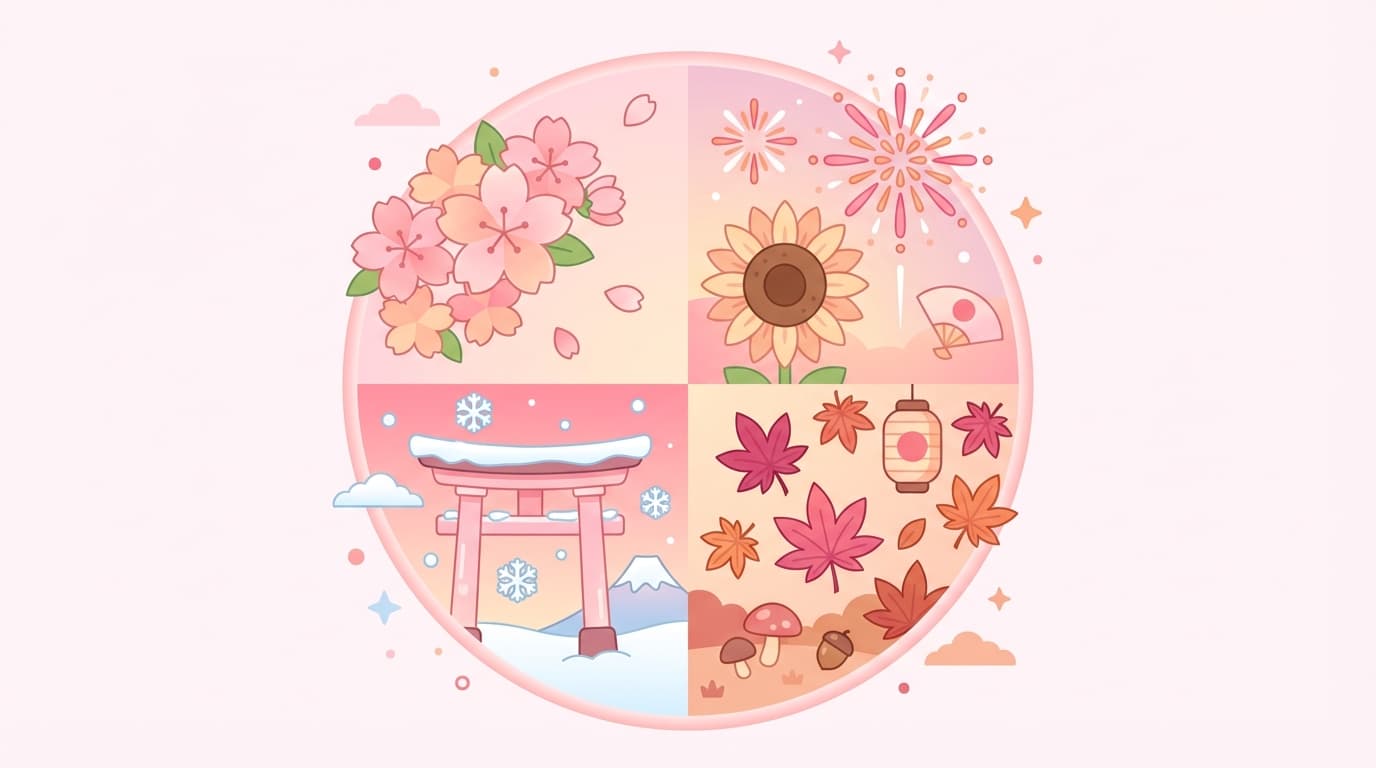
2. 時候の挨拶 (jikou no aisatsu) — Seasonal Greeting After the opening word, you include a phrase that references the current season. This is unique to Japanese letter writing and shows cultural sophistication.
Spring (春):
- 桜の花が咲き始めました。(Sakura no hana ga saki hajimemashita.) — The cherry blossoms have started blooming.
- 春らしい暖かい日が続いております。(Haru rashii atatakai hi ga tsuzuite orimasu.) — Warm spring-like days continue.
Summer (夏):
- 暑い日が続いておりますが。(Atsui hi ga tsuzuite orimasu ga.) — The hot days continue.
- 夏の日差しがまぶしい季節になりました。(Natsu no hizashi ga mabushii kisetsu ni narimashita.) — The summer sun has become bright.
Autumn (秋):
- 秋風が心地よい季節となりました。(Akikaze ga kokochiyoi kisetsu to narimashita.) — The autumn breeze has become pleasant.
- 紅葉の美しい季節です。(Kouyou no utsukushii kisetsu desu.) — It's the beautiful season of autumn leaves.
Winter (冬):
- 寒さが厳しくなってまいりました。(Samusa ga kibishiku natte mairimashita.) — The cold has become severe.
- 年の瀬も押し迫ってまいりました。(Toshi no se mo oshisematte mairimashita.) — The end of the year is approaching.
3. 安否の挨拶 (anpi no aisatsu) — Health Inquiry After the seasonal greeting, ask about the recipient's well-being:
- お元気でお過ごしでしょうか。(Ogenki de osugoshi deshou ka.) — I hope you're doing well.
- ご健勝のことと存じます。(Gokenshou no koto to zonjimasu.) — I trust you are in good health.
4. 本文 (honbun) — Main Body The actual content of your letter. In formal letters, maintain です/ます form throughout.
5. 結びの挨拶 (musubi no aisatsu) — Closing Greeting Before the closing word, add a phrase wishing the recipient well:
- お体にお気をつけてお過ごしください。(Okarada ni okiwotsukete osugoshi kudasai.) — Please take care of your health.
- 今後ともよろしくお願い申し上げます。(Kongo tomo yoroshiku onegai moushiagemasu.) — I look forward to your continued support.
6. 結語 (ketsugo) — Closing Word The paired closing word (see the table above).
7. 日付・名前 (nichiji / namae) — Date and Name Write the date, then your name below it.
Formal Letter Example
Here's a complete formal letter:
拝啓
春らしい暖かい日が続いておりますが、いかがお過ごしでしょうか。
さて、先日はお忙しい中、お時間をいただきありがとうございました。お話しいただいた件について、ぜひ前向きに進めさせていただきたいと存じます。
詳しい資料を同封いたしましたので、ご確認いただけますと幸いです。ご不明な点がございましたら、お気軽にご連絡ください。
お体にお気をつけてお過ごしください。
敬具
二〇二六年三月十二日 田中太郎
Informal Letter Structure
Informal letters to friends and family are much more relaxed. You can skip the formal opening/closing words, but seasonal references are still a nice touch.
Structure:
- Greeting — 〇〇さん、お元気ですか?
- Seasonal comment (optional but appreciated)
- Main content
- Closing — また連絡するね。/ 体に気をつけてね。
- Your name
Informal Letter Example
ゆきちゃん、お元気ですか?
こっちはやっと暖かくなってきたよ。桜がもうすぐ咲きそう!
来月そっちに遊びに行こうと思ってるんだけど、時間ある?久しぶりに会えたらうれしいな。
また連絡するね。体に気をつけてね!
まり
Japanese Email Format (メールの書き方)
Japanese business emails follow a similar structure but are more compact. Here's the standard format:
1. 宛名 (atena) — Recipient
- 〇〇株式会社 〇〇部 〇〇様 (Company, department, name + sama)
2. 挨拶 (aisatsu) — Greeting
- お世話になっております。(Osewa ni natte orimasu.) — Thank you for your continued support. (most common business email opener)
- 初めてメールいたします。(Hajimete meeru itashimasu.) — This is my first time emailing you.
3. 自己紹介 (jikoshoukai) — Self-Introduction
- 〇〇の田中と申します。(〇〇 no Tanaka to moushimasu.) — I'm Tanaka from 〇〇.
4. 本文 (honbun) — Main Body
5. 結び (musubi) — Closing
- ご確認よろしくお願いいたします。(Gokakunin yoroshiku onegai itashimasu.) — Thank you for checking this.
- 何卒よろしくお願いいたします。(Nanitozo yoroshiku onegai itashimasu.) — I humbly ask for your consideration.
6. 署名 (shomei) — Signature
Business Email Example
〇〇株式会社 営業部 山田太郎様
お世話になっております。 △△株式会社の田中です。
先日お話しした件について、資料をお送りいたします。 添付ファイルをご確認いただけますでしょうか。
ご不明な点がございましたら、お気軽にご連絡ください。 何卒よろしくお願いいたします。
△△株式会社 田中花子 tanaka@example.com
If you want to practice writing Japanese letters and emails, you can submit them to our correction service for detailed feedback from a native speaker. The 5-ticket writing correction pack is perfect for this kind of practice.
Useful Phrases for Letters
Opening phrases:
| Japanese | Romaji | Usage |
|---|---|---|
| お久しぶりです。 | Ohisashiburi desu. | Long time no see. (informal) |
| ご無沙汰しております。 | Gobusata shite orimasu. | It's been a long time. (formal) |
| お手紙ありがとうございます。 | Otegami arigatou gozaimasu. | Thank you for your letter. |
Closing phrases:
| Japanese | Romaji | Usage |
|---|---|---|
| お返事お待ちしております。 | Ohenji omachi shite orimasu. | I look forward to your reply. (formal) |
| 返事待ってるね。 | Henji matteru ne. | I'll be waiting for your reply. (informal) |
| またお会いできることを楽しみにしています。 | Mata oai dekiru koto wo tanoshimi ni shite imasu. | I look forward to seeing you again. |
Example Sentences
| Japanese | Romaji | English |
|---|---|---|
| 拝啓、時下ますますご清栄のこととお慶び申し上げます。 | Haikei, jika masumasu goseiei no koto to oyorokobi moushiagemasu. | Dear Sir/Madam, I hope your business continues to prosper. |
| お元気ですか? | Ogenki desu ka? | How are you? |
| 先日はお世話になりました。 | Senjitsu wa osewa ni narimashita. | Thank you for your help the other day. |
| ご連絡いただけますと幸いです。 | Gorenraku itadakemasu to saiwai desu. | I would appreciate it if you could contact me. |
| お体にお気をつけてお過ごしください。 | Okarada ni okiwotsukete osugoshi kudasai. | Please take care of your health. |
| また遊びに来てね! | Mata asobi ni kite ne! | Come visit again! |
| 何卒よろしくお願いいたします。 | Nanitozo yoroshiku onegai itashimasu. | I humbly ask for your kind consideration. |
| 季節の変わり目ですのでご自愛ください。 | Kisetsu no kawarime desu node gojiaibi kudasai. | The seasons are changing, so please take care of yourself. |
Common Mistakes
-
Mismatching 頭語 and 結語 — 拝啓 must pair with 敬具, not 草々. Mixing these looks careless and shows you don't understand the convention.
-
Skipping seasonal greetings in formal letters — In English, you'd jump straight to the point. In Japanese formal letters, skipping the seasonal greeting is considered abrupt and rude.
-
Using casual language in formal letters — Don't mix です/ます with casual forms like だ/だった. Keep the register consistent throughout.
-
Writing your name before the recipient's — In Japanese business culture, always write the recipient's name and company first, then yours.
-
Forgetting お世話になっております in business emails — This phrase is practically mandatory in Japanese business emails. Skipping it sounds cold and unprofessional.
Tips for Speakers of Other Languages
Learning Japanese letter writing can feel different depending on your native language. Here are specific tips:
For Korean speakers (한국어 화자) Korean formal letters also use structured opening and closing phrases. Your sense of social hierarchy (존댓말) maps well to Japanese keigo in letters. The main difference is seasonal greetings (時候の挨拶), which are more elaborate in Japanese letters than in Korean.
For Chinese speakers (中文母语者) Chinese formal letters share many structural elements with Japanese ones — both use respectful opening/closing words derived from classical Chinese. Your kanji knowledge helps with reading formal letter vocabulary. Focus on learning the Japanese-specific seasonal greeting conventions.
For Vietnamese speakers (Người nói tiếng Việt) Vietnamese formal letters have a hierarchical structure similar to Japanese. Your understanding of respectful address (thưa, kính gửi) parallels Japanese 拝啓/敬具. The seasonal greeting tradition is uniquely Japanese — memorize 2-3 per season.
For Spanish speakers (Hablantes de español) Spanish formal letters (Estimado/a, Atentamente) are simpler than Japanese ones. The biggest adjustment is the elaborate seasonal greeting system and paired opening/closing words. Practice the structure as a formula first, then customize.
For Indonesian speakers (Penutur bahasa Indonesia) Indonesian formal letters (Dengan hormat) share the concept of respectful openings. Japanese letters are more rigidly structured with mandatory paired phrases. Focus on memorizing the 拝啓/敬具 pattern and seasonal greetings as set phrases.
Real Learner Insights
Based on common patterns we see among Japanese learners:
- The "aha" moment: Many learners report that Japanese letter writing clicks when they realize it's more formula than creativity. Once you memorize the structure (opening word → seasonal greeting → health inquiry → body → closing → closing word), writing becomes a fill-in-the-blanks exercise.
- Common confusion point: It's normal to mix up 拝啓/敬具 and 前略/草々 pairs for the first few attempts. Make a cheat sheet and refer to it until the pairings become automatic.
- What works: Learners who copy real Japanese letters by hand 3-5 times internalize the format much faster than those who only read about the structure.
Practice Tips
-
Start with informal letters — Write to a friend or pen pal first. The structure is simpler and you'll build confidence before tackling formal letters.
-
Memorize seasonal greetings by season — Learn 2-3 greetings per season. When it's time to write, pick the one that fits best.
-
Copy real examples — Find Japanese letter templates online and copy them by hand. This helps you internalize the format naturally.
-
Submit letters for correction — Write a practice letter and send it to our correction service. A native speaker will check your format, grammar, and word choice.
-
Watch our letter-writing YouTube lesson — Our YouTube lesson on letter writing walks through the complete process with explanations.
Frequently Asked Questions
Q: Do Japanese people still write physical letters? Yes, especially for formal occasions like New Year (年賀状, nengajou), thank-you notes, and condolence letters. Business communication has mostly moved to email, but letter-writing skills are still valued.
Q: What's the difference between 拝啓 and 前略? 拝啓 (haikei) is the standard formal opening that requires seasonal greetings. 前略 (zenryaku) literally means "skipping the preamble" — you use it when you want to get straight to the point while still being polite.
Q: Should I write Japanese letters vertically or horizontally? Formal letters are traditionally written vertically (縦書き, tategaki). Informal letters and emails are usually written horizontally (横書き, yokogaki). Both are acceptable for most situations today.
Q: How do I address the envelope? Write the recipient's address on the front, larger and on the right side. Your address goes on the back, smaller and in the lower left. Use 様 (sama) after the recipient's name.
Q: Is it okay to use emoji in Japanese emails? In casual emails to friends, yes. In business emails, never. Some people use simple 顔文字 (kaomoji) like (^_^) in semi-casual work emails, but err on the side of formality.
Q: Is letter writing easier for Korean or Chinese speakers? Chinese speakers have an advantage with formal letter vocabulary since many terms (拝啓, 敬具) use kanji with classical Chinese roots. Korean speakers benefit from similar hierarchical writing conventions. Both groups find the structural formulas easier to learn than English speakers do.
Q: How long does it take to learn business email writing in Japanese? With focused practice, most intermediate learners can write acceptable business emails within 2-3 weeks. Start with templates and gradually customize them. Having a native speaker review your first 5-10 emails accelerates the learning significantly.
Related Resources
- YouTube: Letter Writing in Japanese — watch the complete letter-writing process explained
- JLPT N3 Script Book — intermediate grammar and expressions used in letters
- Writing Correction (5 Tickets) — submit your practice letters for native feedback
- All study materials — browse our complete collection of learning resources